Shelter
Coop design
Ventilation without draughts, predator-resistant hardware cloth, and roost space sized for cold nights. Winter readiness matters more here than in milder climates.
Backyard poultry · Canada
Brightbarn collects the practical parts of backyard chicken keeping — building a coop that survives a prairie winter, choosing the right feed for each stage, and following a daily routine that keeps hens healthy through the Canadian seasons.

Where to start
Most problems new keepers run into trace back to one of three areas. Each has its own article, and together they cover the daily reality of keeping hens in a Canadian backyard.
Shelter
Ventilation without draughts, predator-resistant hardware cloth, and roost space sized for cold nights. Winter readiness matters more here than in milder climates.
Nutrition
Starter, grower, and layer rations differ in protein and calcium. Matching feed to a bird's age — and adding grit and shell where needed — keeps laying steady.
Routine
Fresh unfrozen water, egg collection, a quick health look-over, and seasonal adjustments. Consistency is what prevents small issues from becoming large ones.
Articles
Each article focuses on one part of flock keeping, with concrete numbers, Canadian seasonal notes, and references to public agricultural and veterinary sources.
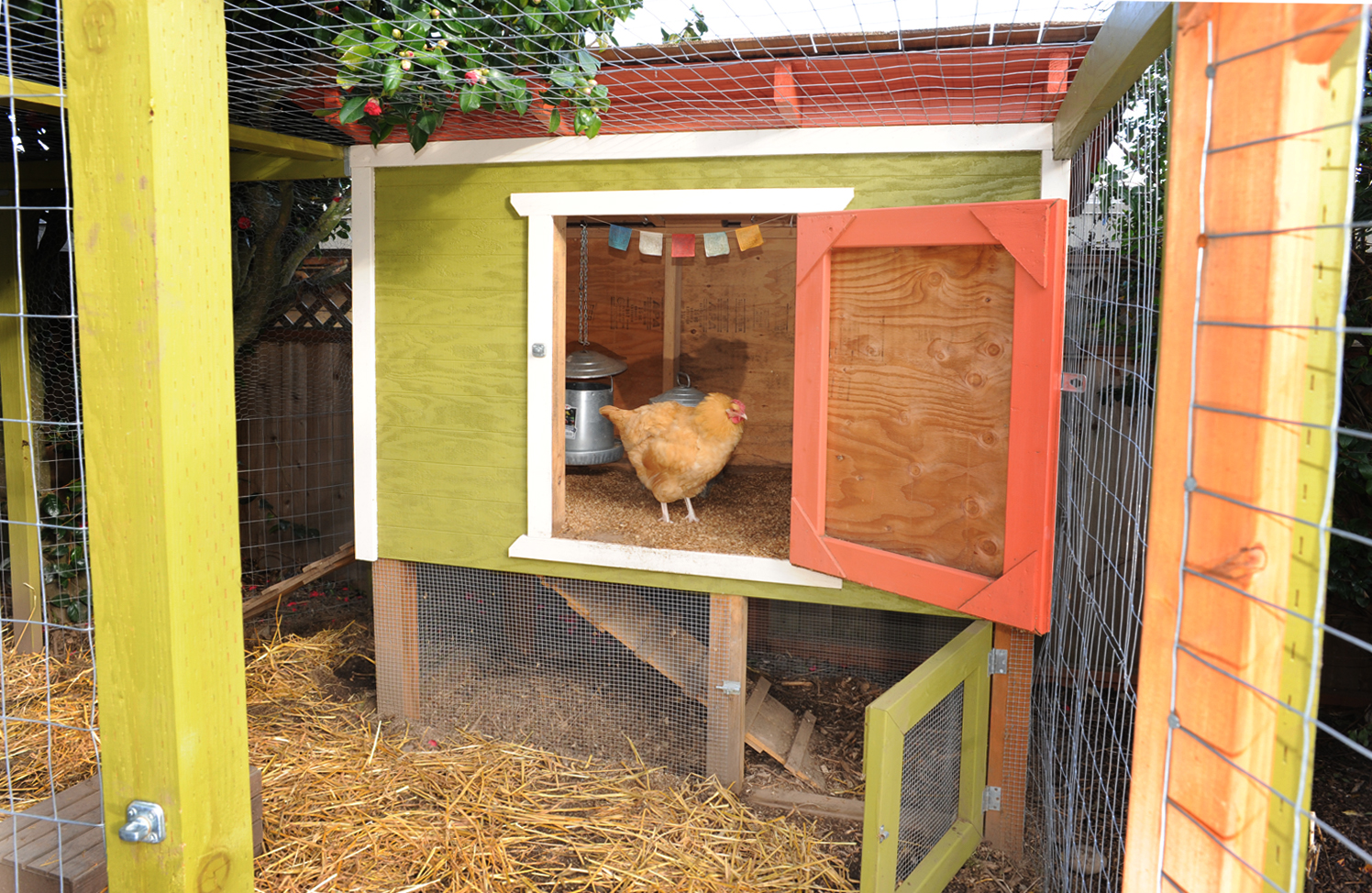
Sizing, insulation, ventilation, and predator-proofing for a coop that holds up from October freeze to spring thaw.
Read article
Starter, grower, and layer rations compared — plus where grit, oyster shell, and kitchen scraps actually fit.
Read article
Morning and evening checks, water management in freezing weather, and the seasonal jobs that keep a flock laying.
Read article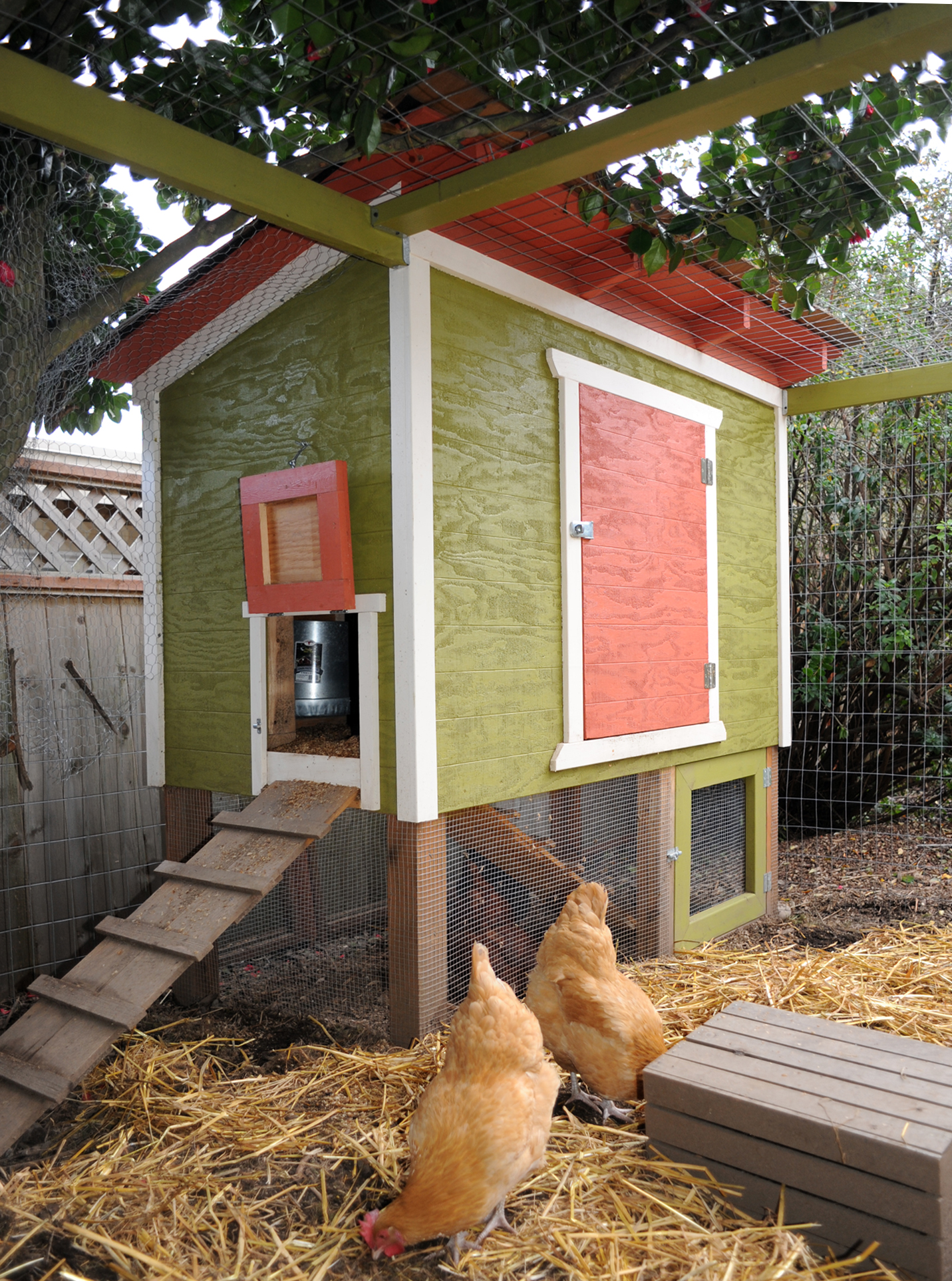
Local context
Keeping hens across most of Canada means planning for sustained sub-zero temperatures, short winter daylight, and the predators common to suburban and rural yards. The articles here account for that rather than assuming a mild year-round climate.
They also note where local rules apply: many municipalities — including cities such as Vancouver, Calgary, and Montreal — set their own limits on flock size and whether roosters are allowed. Checking the relevant municipal bylaw is a sensible first step before building.
Contact
Have a question about coop ventilation, feed, or a seasonal care problem? Send a note and it will be reviewed. This form runs in your browser and does not transmit data to a server.
General enquiries
Editorial focus
Backyard poultry care for Canadian households. We do not sell birds, feed, or equipment.
Public references used
Articles draw on publicly available material from the Government of Canada and university extension resources such as those published by the University of Guelph.