Designing a Backyard Chicken Coop for Canadian Winters
A coop in southern Ontario and a coop on the prairies face the same basic job — keep hens dry, draught-free, and safe — but the Canadian winter raises the stakes. The design choices that matter most are space per bird, ventilation that does not become a draught, and a build that closes out predators. Get those right and most cold-weather trouble disappears.
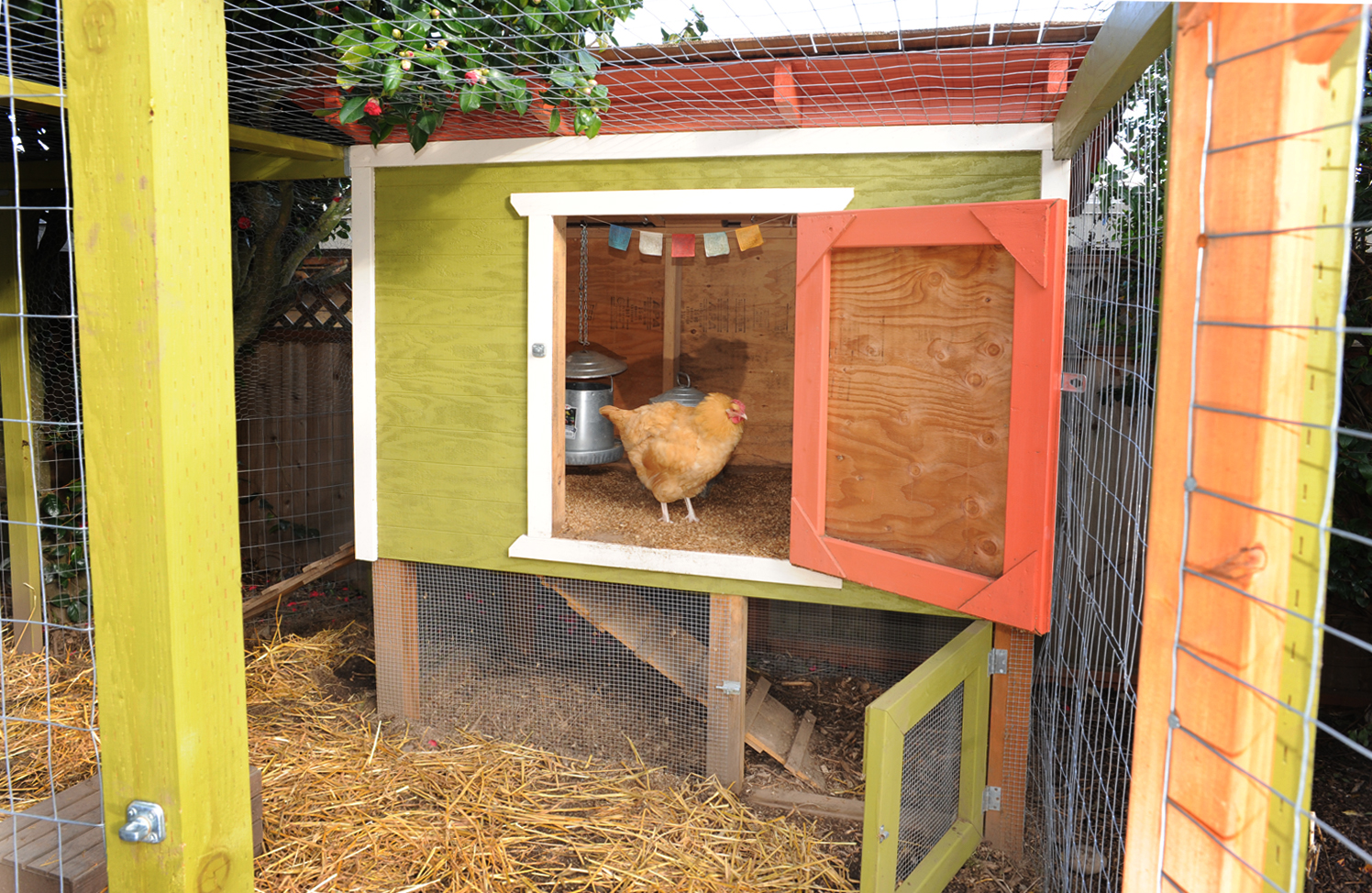
Space per bird
Crowding causes feather-picking, dirtier bedding, and faster disease spread — and it gets worse in winter when birds spend more time inside. As a widely used guideline for standard-size hens:
| Area | Per standard hen |
|---|---|
| Indoor coop floor | About 0.3–0.4 m² (3–4 sq ft) |
| Outdoor run | About 0.8–1 m² (8–10 sq ft) |
| Roost bar length | About 20–25 cm (8–10 in) |
| Nest boxes | One box per 3–4 hens |
In colder regions, lean toward the upper end of indoor space — hens that are housed for long winter stretches need room to move without piling.
Ventilation without draughts
This is the part most often misjudged in cold climates. Closing a coop tight to "keep the heat in" traps moisture from droppings and breath. That damp air, not the cold itself, is what leads to frostbitten combs and respiratory problems. The aim is steady air exchange high above the birds — near the roofline — while the roost area stays still.
- Place vents high, above roosting height, so moist air leaves without blowing across the birds.
- Avoid sealing the coop completely; a dry, ventilated coop outperforms a sealed, humid one.
- Use deep, dry bedding and remove damp spots promptly to keep humidity down.
A note on heat lamps
Supplemental heat lamps are a recognized fire risk in wooden coops and can leave birds poorly acclimatized to the cold. Cold-hardy breeds generally manage Canadian winters with dry shelter, good ventilation, and unfrozen water rather than added heat.
Predator-proofing
Canadian backyards see raccoons, foxes, weasels, hawks, and neighbourhood dogs. Two construction details do most of the work:
- Use welded hardware cloth (about 1.3 cm / half-inch mesh) instead of chicken wire. Chicken wire keeps hens in but does not keep determined predators out.
- Block digging with a buried apron or wire skirt extending outward at the base of the run, and fit secure, raccoon-resistant latches — raccoons can open simple hooks.
Roosts and nest boxes
Hens prefer to roost above the floor, so set bars higher than the nest boxes; otherwise birds sleep — and soil — in the nests. A flat or rounded 5 cm (2 in) wide bar lets hens cover their feet with their bodies on cold nights, which helps prevent frostbite on toes.
Putting it together
Start from the number of birds, size the floor and run from the table above, then add roofline ventilation and hardware-cloth predator-proofing. A coop built around those priorities will handle a Canadian winter far better than one built around insulation alone.
For general guidance on small-flock housing and bird health, public resources such as the Government of Canada and university extension material from the University of Guelph are useful starting points.
Continue with feed types for backyard hens or the daily care routine.